
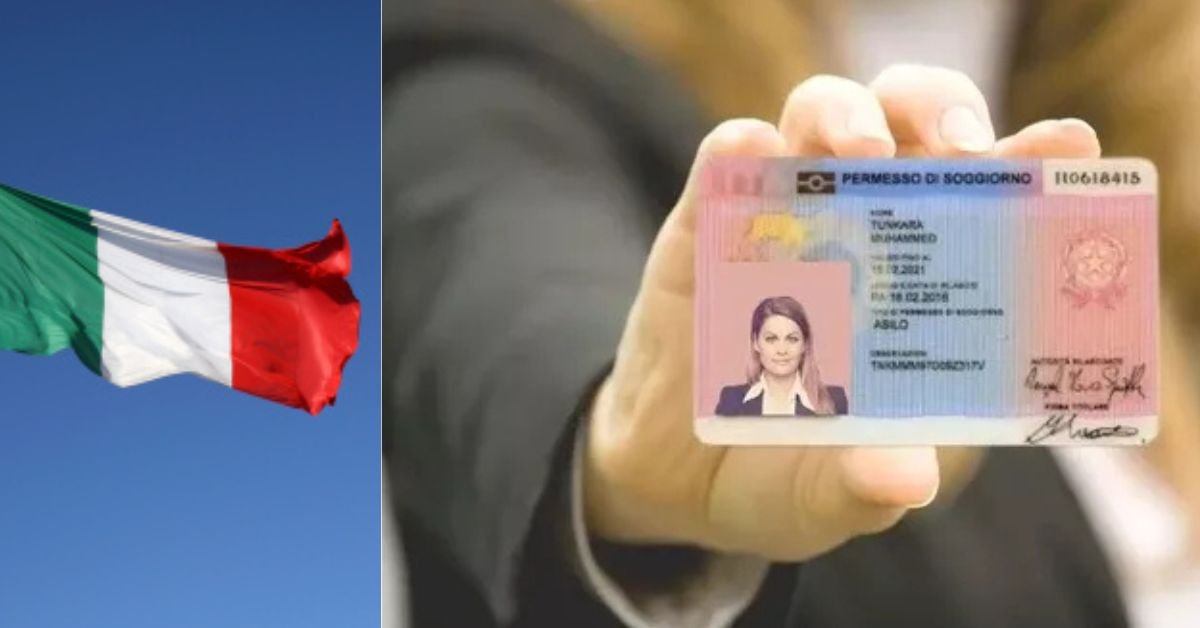
Italy Residence & Work Visa Combo Guide 2026
Going to work in Italy is not a simple job proposal. In order to live legally after 90 days, you will need to learn the tricks of a legal process that is called the Residence and Work Visa Combo, it is a two-step legal procedure that will start in your country of origin and finish in an Italian post office.
In the case of 2026, the main entrance is the Decreto Flussi (Flow Decree), which will provide 164,850 quotas, the highest in history. This guide contains the strategic steps and knowledge needed to make a trip through Nulla Osta to the desirable Permesso di Soggiorno.
Visa-residence Timeline: 6-step Journey
The Combo is not one document, but rather a series of approvals. You can seriously miss one step and nullify your entire stay.
- Job Offer & Sostitutiva: Your employer establishes that there are no candidates in Italy with whom the vacancy can be filled.
- Nulla Osta (Clearance): Your employer registers through the ALI Portal on certain Click Days at the beginning of 2026.
- Visto D (National Visa): After the Nulla Osta has been issued, you go to the Italian Consulate in your country of residence and have the long stay visa stamped in your passport.
- Admission to Italy: When you get to Italy, you get a maximum of 8 working days to initiate the residence process.
- The Yellow Kit (Postal Kit): You go to one of the Poste Italiane offices and hand in your residence permit.
- Questura Appointment: You visit a meeting with the local police headquarters and attend a fingerprinting and document verifying meeting at the headquarters.
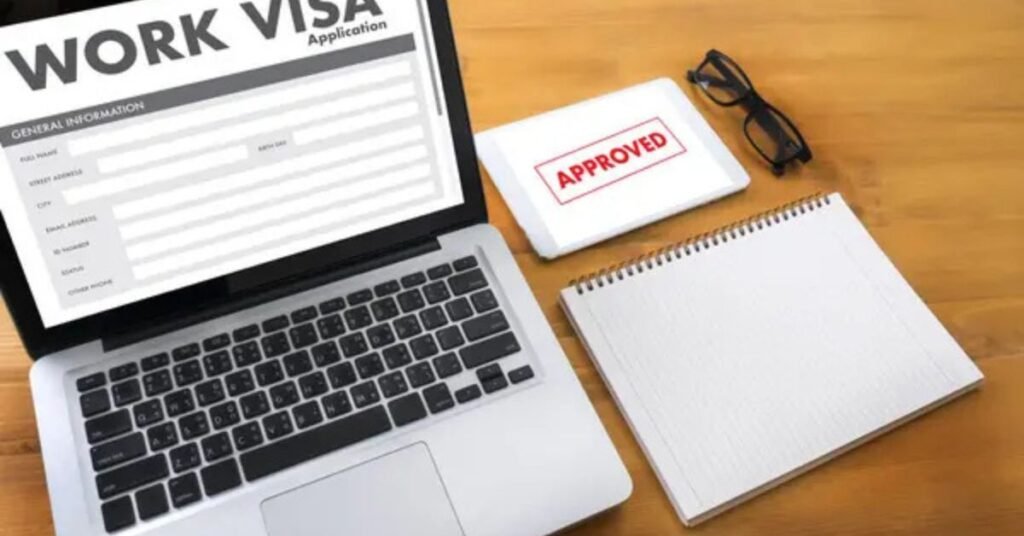
Important Paperwork of the Combo
A number of documents are required in your Yellow Kit application to make sure that your residence permit is not delayed. The absence of one may create a preavviso di rigetto (notice of rejection).
- Contratto di Soggiorno: The house contract that your boss signs.
- Idoneità Alloggiativa: A certificate of your Italian accommodation that it meets the requirements of health and safety.
- Codice Fiscale: your Italian tax code (frequently in an ephemeral form on entry).
- Revenue Stamp: A Marca de Bollo to the value of 16 euro bought in a nearby tobacco shop (Tabaccheria).
FAQs
Will I be able to work immediately I get to Italy?
Yes. Your physical biometric card will be dispatched to you later and in the meantime you are permitted by law to work under the 2026 conditions after sending the Yellow Kit to the post office and receiving a Postal Receipt (Ricevuta).
What is the difference between a Work Visa and a Residence Permit?
The Visa is a document of entry which is issued in consulate in a foreign country. The internal document, which permits you to live, to work, and to be a member of the Italian National Healthcare System (SSN), is the Residence Permit (Permesso di Soggiorno).
Does the EU Blue Card exist in the “Click Day” quotas?
No. Extra-Quota permits include the EU Blue Card of highly qualified workers (a degree is required, along with a minimum salary of about 35000). The employers can submit the applications throughout the year.
What is the duration of residence permit?
Subordinate work residence permits are usually 2 years on permanent contracts, or the contract (up to 1 year) on temporary positions.
Would I be able to travel to the other Schengen countries using my postal receipt?
Generally, no. The majority of Schengen countries have entrance requirements that are physical plastic card. But you can come directly to your country of origin as well as to Italy using the receipt and the valid passport.
Final Thought
The Italy Residence and Work Visa Combo 2026 is expected to be more territorial i.e., the quotas are allocated according to local provincial labor requirements. To achieve success, make sure that your employer is prepared to have the January 12, 2026 (Agriculture) or February 16, 2026 (Non-seasonal) Click Days. The distinction between a successful relocation and a lost opportunity is proactive preparation in late 2025.
Disclaimer
This paper is informational and educational. It is recommended that readers ensure that information has been checked by trusted sources before deciding e.g. the official Italian Ministry of the Interior or authorized consulates.